Every week, I meet families who arrive certain they are dealing with misbehavior, not a health condition. A few skipped classes, a dented fender, a bottle in a backpack, and they hope a stern talk will fix it. Sometimes it does. Just as often, the pattern has already taken hold. When alcohol use becomes a teen’s main coping tool, time matters. The adolescent brain is still wiring itself for planning, memory, and judgment well into the mid 20s. Alcohol does not just cause temporary fog, it can etch habits into that wiring. Early, well planned alcohol rehab can disrupt that process and give a teenager years back.
Why intervention before 18 is a special opportunity
Adolescence is a period of neuroplasticity. The same plasticity that makes teens great language learners and athletes also makes them more sensitive to substances. Studies consistently show that starting heavy drinking early is linked to higher odds of alcohol use disorder in adulthood. The numbers move by meaningful margins. In broad terms, teens who begin regular heavy drinking before age 16 are at much higher risk than those who begin after 18. On school surveys in recent years, roughly 1 in 10 U.S. High school students report binge drinking in the past month, with regional and community variation.
Those statistics matter, but the day to day consequences are what bring families to care: slipping grades, secrecy, pulling away from old friends, rising anxiety, a short temper. Alcohol can look like relief in the short term, especially for teens carrying anxiety, depression, trauma, or social pressure. Over time, that relief slides into a cycle of craving, use, and fallout. Early intervention aims to break the cycle while school, family, and identity are still active anchors.
The first signals that deserve attention
Parents often ask for a checklist. There is no perfect list, but certain patterns are worth a direct, calm conversation and a plan to screen for risk.
- Noticeable shifts in sleep, appetite, or mood that last more than a couple of weeks New secrecy about plans or friends, unexplained cash needs, or missing items at home Decline in grades, skipped classes, or sports and activities dropping off without explanation Smell of alcohol, hangover symptoms on school days, or finding empty containers Risk taking that is out of character, including riding with impaired drivers
Any one of these can have many causes, from depression to peer conflict. The point is not to jump to conclusions. The point is to look closely and invite a professional screen. If alcohol is part of the picture, a targeted plan is more effective than general discipline.
What “alcohol rehab” means for teenagers
Alcohol rehab is a broad term. For teens, it rarely looks like what adults picture. The most effective alcohol rehabilitation for adolescents is developmentally tuned, family engaged, and integrated with school. It favors short, focused medical stabilization when needed, followed by structured outpatient or intensive outpatient therapy tied closely to daily life. Residential programs have a role, but they are not a cure on their own. The core features to look for are consistent regardless of setting:
- Assessment that covers substance use, mental health, family stress, school context, medical history, and safety. That includes a validated teen tool like CRAFFT, depression and anxiety screens, and a thorough history of use patterns. Evidence based therapies adapted for youth. Motivational interviewing to meet ambivalence without shaming. Cognitive behavioral strategies for cravings and triggers. Family therapy models like Multidimensional Family Therapy or Functional Family Therapy to build skills at home. Continuity from higher to lower levels of care. A program that steps down intensity while keeping the same therapist or team reduces drop off. Peer connection that is safe. Groups are helpful when they foster honest conversation, not glamorize use. Programs should separate teens by age and keep groups small enough to monitor dynamics. Measurable goals tied to school and life, not just abstinence. Attendance, grades, sleep patterns, family routines, and hobbies are part of the plan.
When a center describes itself as teen focused alcohol rehab, ask how they involve parents or caregivers, what collaboration looks like with schools, and how they handle co occurring conditions. The answers matter as much as a website.
Levels of care, matched to risk
Think of care as a ladder with rungs. The right rung is the least intensive level that still offers safety and traction. Over or under treating has costs, either by disrupting life more than necessary, or by failing to contain risk.
Medical detoxification is sometimes needed if a teen has been drinking heavily every day and shows signs of withdrawal, like tremors, sweating, nausea, or agitation. This is less common in adolescents than adults, but it happens, especially when there is polysubstance use. Hospital based units can stabilize in a few days. The goal is medical safety, not learning new habits.
Residential treatment follows when home is unsafe, when there is severe co occurring mental illness, or when multiple outpatient attempts have failed. The best youth residential programs last weeks, not months, and maintain active ties to family and schoolwork. Shorter stays reduce the social cost and ease the return home.
Partial hospitalization programs (PHP) and intensive outpatient programs (IOP) are the workhorses for teens. PHP usually runs five days a week, often six hours per day, while IOP runs three to four days per week for two to three hours. Teens stay at home, practice skills in real time, and bring problems back to group and family sessions. This format fits the developmental need for autonomy and learning by doing.
Standard outpatient therapy remains the backbone over months. One to two sessions per week with a clinician trained in adolescent substance use, combined with periodic family sessions, often suffices for early stage problems.
A seasoned clinician will discuss the pros and cons of each level. I encourage families to ask, what specific risks make you recommend this level for my child, and what signs would tell us to step up or step down?
The role of family, without blame
Blame shuts doors. In practice, parents and caregivers are the strongest lever for change when they are supported and included. Good programs lean into structured family work: clear rules about alcohol, consistent consequences that are agreed upon in advance, predictable routines for sleep and meals, and calm communication. Parents also learn to separate enabling from support, and to recognize their own stress patterns.
Confidentiality can feel tense. Teens need privacy in therapy to speak freely, while parents need information to keep them safe. Clinicians walk this line by setting agreements at the start: safety concerns are always shared, drug screens are discussed openly, and family sessions are used to surface themes without betraying specific disclosures. That transparency builds enough trust to move the work forward.
School is not the enemy, and it is not optional
Most teens spend more waking hours at school than anywhere else. If rehab ignores school, it misses half the picture. With a family’s permission, I collaborate with school counselors, deans, or nurses to plan academic accommodations, safe reentry after absences, and supervised breaks during high risk times like lunch or after games. Some students benefit from a reduced load for a quarter, or from pass/fail options to lower pressure while they stabilize.
For teens at high risk of relapse in standard settings, recovery high schools provide a community with sobriety norms and staff trained in substance use support. They are not available everywhere, but when present in a region, they can transform the first year of recovery.
Medications, used thoughtfully
Medications do not fix alcohol use by themselves, and in adolescents they require extra caution. Still, they can play a role.
Naltrexone can reduce the rewarding effects of alcohol and may decrease cravings. It is FDA approved for adults. In teens, it is sometimes used off label with careful monitoring when cravings are a major driver.
Acamprosate helps some adults maintain abstinence by reducing post acute withdrawal symptoms. Data in adolescents are limited, so it is used rarely and with specialist oversight.
Disulfiram, which creates an aversive reaction when alcohol is consumed, is generally not recommended for teens due to safety concerns and adherence issues.
Medications for co occurring conditions often do more for recovery than any direct anti craving drug. Effective treatment of depression, anxiety, ADHD, or sleep disorders reduces the need to self medicate. Stimulant medications for ADHD, for example, are sometimes avoided out of fear. That blanket avoidance can backfire. When properly prescribed and monitored, treating ADHD can lower substance related risk by improving executive function and school success.
Co occurring mental health issues are the rule, not the exception
In youth alcohol rehab programs, co occurring conditions are the norm. Anxiety often precedes the first drink. Depression deepens when consequences stack up. Trauma, whether a single event or chronic stress, raises vulnerability to substance use. Programs must screen and treat these threads alongside alcohol use itself, or progress will stall.
Evidence based approaches include trauma informed care, dialectical behavior therapy skills for emotion regulation, and sleep interventions that do not rely on substances. I have watched teens make more progress from learning ten minutes of structured breathing and a consistent bedtime than from any lecture about alcohol. That is not because education is useless, but because nervous systems need calming before the cortex can listen.
Harm reduction and abstinence are not enemies
Families often arrive asking for a guarantee of lifelong abstinence. That aspiration is understandable. What works best in the short term can look different. For a 15 year old who binge drinks twice a month, setting a clear abstinence goal can be appropriate. For a 17 year old who is ambivalent and surrounded by drinking peers, a harm reduction stance early on may open the door: safer choices, refusal skills, avoiding riding with impaired drivers, and delaying use while building alternative coping tools. As trust and skills grow, many teens choose abstinence, not because we demanded it, but because they notice life improves.
The common ground is safety and health. The method is motivational, collaborative, and firm about boundaries at home and school.
A practical path to get started
When a parent suspects alcohol is in the picture, the next steps can feel overwhelming. A simple, time bound plan keeps momentum without panic.
- Schedule a medical evaluation with a pediatrician or family physician within one week. Ask for confidential screening, basic labs if indicated, and a referral list for adolescent substance use specialists. Contact two or three programs or clinicians who treat teens for alcohol use. Ask about assessment, family involvement, school coordination, and step down planning. Choose the first solid option that can see you within two weeks. Set interim home guidelines. Clear curfew, no driving or riding with impaired drivers, phone access rules, and consequences. Write them down and share calmly. Inform one trusted adult at school. A counselor or nurse can watch attendance and mood and create a safe place to check in. Remove or lock up alcohol and medications at home. This is not about trust. It is about reducing temptation while skills are built.
If resistance is high, expand the circle. A sports coach, favorite aunt, or faith leader can help carry the message. Teens hear limits better when they feel respected and supported from several directions.
What progress looks like, and how to measure it
Families often look for a single marker, like a negative urine test. Testing has value, but it is only one piece. Recovery in adolescents shows itself in multiple domains: fewer missed classes, steadier sleep, visible energy for old interests, more open conversations at home, and a widening friend circle that does not center on use.
Clinics should track a small set of metrics from the start. I like weekly school attendance, two or three academic goals, sleep hours, and self rated craving and mood scales. We review them together. If numbers stall, we adjust. When they improve, we celebrate. Average time to meaningful change varies. A motivated teen with mild to moderate use can show steady gains in six to eight weeks. Complex cases often need several months of structured care followed by long tail support.
Relapse can be part of the process. The key question is not, did it happen, but, what did we learn quickly enough to prevent the next? A brief return to heavier use does not erase the skills gained. We circle back, identify triggers, update the plan, and move on.
Legal and consent issues worth understanding
Consent laws for adolescent substance use treatment vary by state or country. In many U.S. States, teens can consent to substance use services without a parent, while in others, parental involvement is required. Insurance coverage also varies. Mental health parity laws have improved coverage for alcohol rehabilitation, but families still encounter hurdles, like narrow networks and short authorized stays. Ask providers to help navigate authorizations and to document medical necessity in language insurers recognize.
Confidentiality remains central. Teens should hear exactly what information will be shared and why. Parents should push for enough access to support safety. Good programs honor both sides by setting ground rules in writing.
Telehealth and digital tools, used wisely
Telehealth expanded rapidly and, for many teens, lowers the barrier to care. Video sessions can work well for individual and family therapy, especially when transportation or stigma blocks in person meetings. Still, not every service translates. Group cohesion is harder to build online. Drug testing requires planning. Blend formats when possible: start in person to build trust, then mix video visits to maintain consistency.
Digital supports help between sessions. Some programs use secure apps for daily mood and craving check ins, sleep logs, and reminders. The goal is not surveillance, it is to catch problems early and to practice skills when they are needed.
Cultural humility and equity in access
Alcohol rehab does alcohol rehab near me not sit in a vacuum. Cultural norms, family beliefs, language, and community resources shape every aspect of care. A teen whose family uses wine at religious meals may need a plan that respects tradition while setting firm limits on misuse. A youth from a community with justified mistrust of medical systems needs providers who listen first and do not pathologize cultural practices. LGBTQ+ teens benefit from explicit signals of safety and staff training on minority stress.
Access remains uneven. Rural families drive hours for youth specialized services. Urban families face long waitlists. In those gaps, primary care clinics with SBIRT training, school based health centers, and mobile crisis teams can stabilize and bridge to specialty care. If a program lacks language services or cultural competency, keep looking. The fit matters.
What teens themselves teach us
When I ask teens what made rehab helpful, they rarely talk about brochures or lectures. They mention a counselor who respected them enough to argue honestly. A parent who changed their own habits, like locking the liquor cabinet or ending shouting matches after midnight. A coach who insisted on a ride home rather than letting them leave with peers who had been drinking. They remember the first time cravings eased because they tried a concrete skill and it worked. These details seem small to adults. To a 16 year old, they are turning points.
I also hear about missteps. Programs that separated them from everyone they cared about without a plan for reentry. Adults who spoke about consequences but had none at home. Tests used as gotchas rather than data. Each mistake is a reminder that teen alcohol rehab must be practical, relational, and built around their real lives.
Aftercare that actually lasts
The first 90 days after the most intensive phase are fragile. Structure fades, old friends reappear, and confidence can outpace skill. Plan aftercare as deliberately as the starting phase. Keep individual therapy weekly for a while, then taper. Schedule family sessions monthly to tune boundaries. Maintain school contact until attendance and grades hold steady over a full term. Encourage at least one sober peer activity that the teen chooses. Sports, music, robotics, part time work, volunteering, or a faith group can all serve. The content matters less than the ownership and the routine.
Peer recovery supports for youth vary by region. Some communities have young people’s meetings that keep the tone grounded and avoid war stories. Others rely on structured groups within outpatient programs. Again, the fit matters. If a group feels performative or unsafe, try a different one.
The difference early action makes
The earlier the intervention, the less disruption it takes to change course. I think of a student I met in spring of sophomore year. Two weekend binges a month, slipping grades in math, Sunday dread, fights at home. After a thorough assessment, we set up IOP for six weeks, weekly family sessions, one school accommodation, and a coach who agreed to hold him accountable for rest and hydration. We kept medications simple, focusing on sleep. He never needed residential care. By fall, he was captaining a team, and his family dinners were loud in the good way. Not perfect. Better. Six months later, he told me he no longer recognized the kid who needed to drink to talk to friends.
Not every story is that clean. Some teens cycle through higher levels of care, and families grow exhausted. Yet across cases, one pattern holds. When care is timely, tailored, and connected to real life, the odds shift. Alcohol rehab for teens is not a place so much as a coordinated set of supports that help a young person reclaim choices.
The great myth is that waiting builds motivation. For adolescents, waiting mostly builds habits. If alcohol is steering a teenager’s week more than once, act. Ask hard questions with soft eyes. Find clinicians who know adolescents, not just addiction. Keep school in the loop, but keep shame out of the plan. Choose measures that mean something at home. Protect sleep. Celebrate small wins. And remember, futures hinge less on what happened last season than on what happens next. Early intervention does not erase the past, it widens the road ahead.
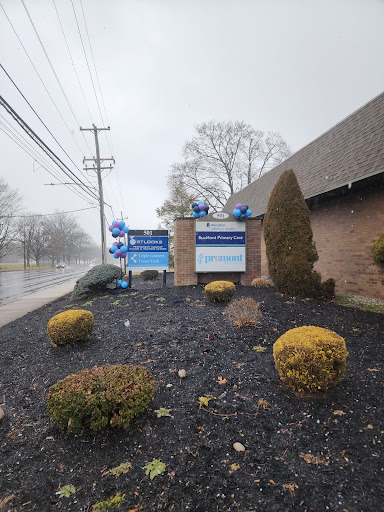
Promont Wellness
Address: 501 Street Rd, Suite 100, Southampton, PA 18966Phone: 215-392-4443
Website: https://promontwellness.com/
Hours:
Monday: Open 24 hours
Tuesday: Open 24 hours
Wednesday: Open 24 hours
Thursday: Open 24 hours
Friday: Open 24 hours
Saturday: Open 24 hours
Sunday: Open 24 hours
Open-location code (plus code): 5XG2+VV Southampton, Upper Southampton Township, PA
Map/listing URL: https://maps.app.goo.gl/Bp8NRhkmTf9gHJEc7
Socials:
https://www.facebook.com/PromontWellness/
https://www.instagram.com/promontwellness/
Promont Wellness provides outpatient mental health and addiction treatment in Southampton, serving individuals who need structured support while continuing with daily life responsibilities.
The center offers multiple levels of care, including partial hospitalization, intensive outpatient treatment, outpatient services, aftercare planning, and virtual treatment options for eligible clients.
Clients in Southampton and the surrounding Bucks County area can access support for mental health concerns, substance use disorders, and co-occurring conditions in one setting.
Promont Wellness emphasizes individualized treatment planning, trauma-informed care, and a client-focused approach designed to support long-term recovery and day-to-day stability.
The practice serves Southampton as well as nearby communities across Bucks County and other parts of southeastern Pennsylvania, making it a practical option for local and regional care access.
People looking for structured outpatient support can contact the center directly at 215-392-4443 or visit https://promontwellness.com/ to learn more about admissions and treatment options.
For residents comparing providers in the area, the business also maintains a public Google Business Profile link that can help with directions and listing visibility before a first visit.
Promont Wellness is positioned as a local option for people who want evidence-based behavioral health care in a professional office setting in Southampton.
Popular Questions About Promont Wellness
What does Promont Wellness do?
Promont Wellness is an outpatient behavioral health center in Southampton, Pennsylvania that provides mental health and substance use treatment, including support for co-occurring conditions.
What levels of care are available at Promont Wellness?
The center offers partial hospitalization (PHP), intensive outpatient programming (IOP), outpatient treatment, aftercare planning, and virtual treatment options.
Does Promont Wellness provide mental health treatment?
Yes. The practice publishes mental health treatment information for concerns such as anxiety, depression, bipolar disorder, schizophrenia, trauma, and PTSD.
Does Promont Wellness help with addiction treatment?
Yes. The website describes support for alcohol and drug addiction treatment along with recovery-focused outpatient services.
What therapies are mentioned on the website?
Promont Wellness lists therapy options such as cognitive behavioral therapy, dialectical behavior therapy, individual therapy, group therapy, family therapy, psychotherapy, relapse prevention, and TMS therapy.
Where is Promont Wellness located?
Promont Wellness is located at 501 Street Rd, Suite 100, Southampton, PA 18966.
What are the published business hours?
The contact page lists Monday through Friday from 8:00 AM to 9:00 PM, with Saturday and Sunday closed.
Who may find Promont Wellness useful?
People looking for outpatient mental health care, addiction treatment, dual-diagnosis support, or step-down programming after a higher level of care may find the center relevant.
Does Promont Wellness serve areas beyond Southampton?
Yes. The website includes service-area pages for Bucks County communities and nearby parts of Pennsylvania and New Jersey.
How can I contact Promont Wellness?
Phone: 215-392-4443
Facebook: https://www.facebook.com/PromontWellness/
Instagram: https://www.instagram.com/promontwellness/
Website: https://promontwellness.com/
Landmarks Near Southampton, PA
Tamanend Park – A well-known Upper Southampton park at 1255 Second Street Pike with trails, open space, and community amenities that many local residents recognize immediately.Second Street Pike – One of the main commercial corridors in Southampton and a practical reference point for local driving directions and nearby businesses.
Street Road – A major east-west route through the area and one of the clearest roadway references for visitors heading to appointments in Southampton.
Old School Meetinghouse – A historic Southampton landmark associated with the community’s early history and often used as a local point of reference.
Churchville Park – A large nearby park area often recognized by residents in the broader Southampton and Bucks County area.
Northampton Municipal Park – Another familiar recreational landmark in the surrounding area that can help orient visitors traveling from nearby neighborhoods.
Southampton Shopping Center – A recognizable retail area along the local commercial corridor that many residents use as a simple directional reference.
Hampton Square Shopping Center – A nearby shopping destination that can help users identify the broader Southampton business district.
Upper Southampton Township municipal and recreation areas – Useful local references for users searching for services in the township rather than by ZIP code alone.
Bucks County service area references – For patients traveling from neighboring communities, Southampton serves as a convenient treatment hub within the larger Bucks County region.
If you are searching for outpatient mental health or addiction treatment near these Southampton landmarks, call 215-392-4443 or visit https://promontwellness.com/ for current program information and directions.